Jun-2022 What clinical factors influence treatment decisions for localized prostate cancer?
Prostate Cancer & Cardiovascular Disease
Principles of Optimal Multidisciplinary Management in Clinical Practice
Speakers:
Neil Fleshner, MD, MPH
Chair and Professor of the Division of Urology at the University of Toronto, Canada
Paul Nguyen, MD
Professor, Radiation Oncology Harvard Medical School, USA
Chris Plummer, MD
Consultant Cardiologist at Newcastle’s Freeman Hospital, UK
Jan-2022 The Great Divide? Highlight of NOPIA 2021 & Debate on Clinical Controversies on Nocturia Management
Speakers:
Professor Karel Evereart, Ghent University, Belgium
A/Prof Wang Chung Cheng, En Chu Kong Hospital Taipei
Dr Steffi Yuen, Prince of Wales Hospital Hong Kong
A/Prof Patkawat Ramart, Siriraj Hospital Mahidol University Thailand
Dr Fiona Wu, National University Hospital Singapore
In this webinar, “The Great Divide – Highlights of NOPIA 2021 and Debate on Nocturia Management”, endorsed by Singapore and Taiwan Urological Associations, Professor Karel Evereart delivered the highlight from NOPIA workshop conducted in 2021, and invited debaters from Taiwan, Hong Kong, Thailand and Singapore to debate on two controversial topics, (1) 3-day bladder diary is a must before initiating treatment and (2) Desmopressin is effective and safe for elderly patients with OAB and BPH.

Nov-2021 Practical Management of Cardiovascular Risk Factors in Prostate Cancer Patients
Speakers:
Dr Hilary Glen – Consultant in Medical Oncology, Beatson West of Scotland Cancer Centre, Glasgow, UK
Dr Sivatharshini Ramalingam – Cardio-oncology GPwSI, Oxted Health Centre, The Royal Brompton Hospital, UK
In this session, organised and funded by Ferring Pharmaceuticals, speakers walked the audience members through studies between GnRH agonists and antagonists in CVD outcomes, including real world evidence in the UK primary care database. Dr. Glen then shed light on clinical practice of using GnRH agonists and GnRH antagonist in Scotland, where Degarelix was approved in 2020 to treat patients with history of stroke, TIA, MI etc.
Oct-2021 Assessment and Management of CV risk for Prostate Cancer Patients
Speakers:
Dr Patrick Davey – Consultant Cardiologist at Northampton General Hospital and University of Oxford, UK
Professor Thomas Keane – Professor and Chairman of the Department of Urology at the Medical University of South Carolina in Charleston, USA
In this session, organised by National Cancer Research Institute and funded by Ferring Pharmaceuticals, speakers will discuss cardiovascular prevalence and risk in prostate cancer patients. The session will also explore how to identify patients at high risk of future cardiovascular events and how to manage these patients through lifestyle modifications, pharmacological intervention, and optimisation of treatment modality to improve outcomes in clinical practice.

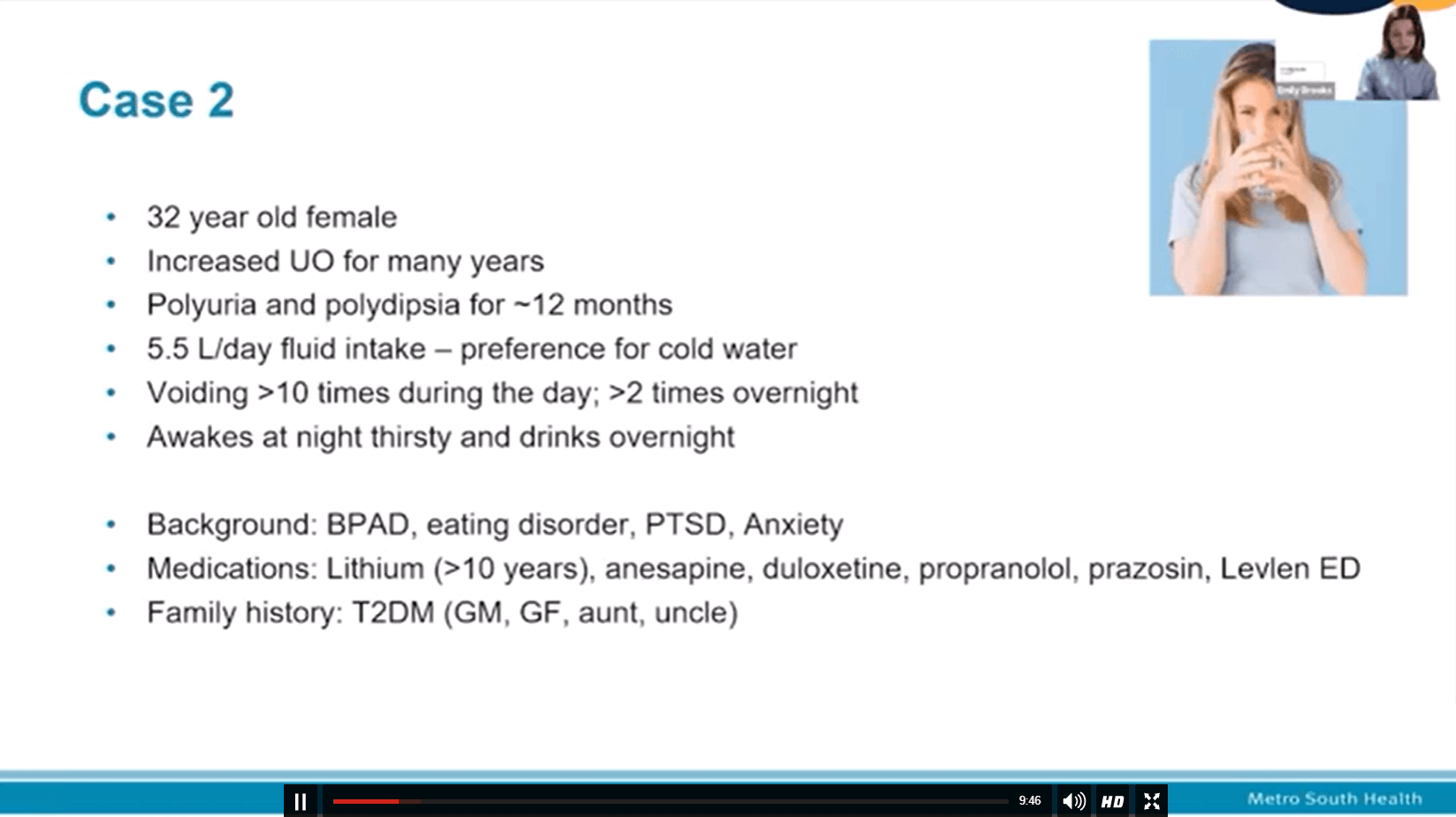
Dec-2021 Central diabetes insipidus: from differential diagnosis to clinical management
Speakers: Dr. Emily Brooks, Endocrinologist, Princess Alexandra Hospital, Brisbane, Australia A/Professor Ann McCormack, Endocrinologist, St Vincent’s Hospital Sydney, Australia
This webinar on “Central diabetes insipidus: from differential diagnosis to clinical management” was conducted on the 22 Dec 2021 with guest speakers A/Prof Ann McCormack and Dr Emily Brooks , Australia. Other speakers include Dr. Zanariah Hussein from Malaysia and Dr Parinya Samakkarnthai from Thailand.
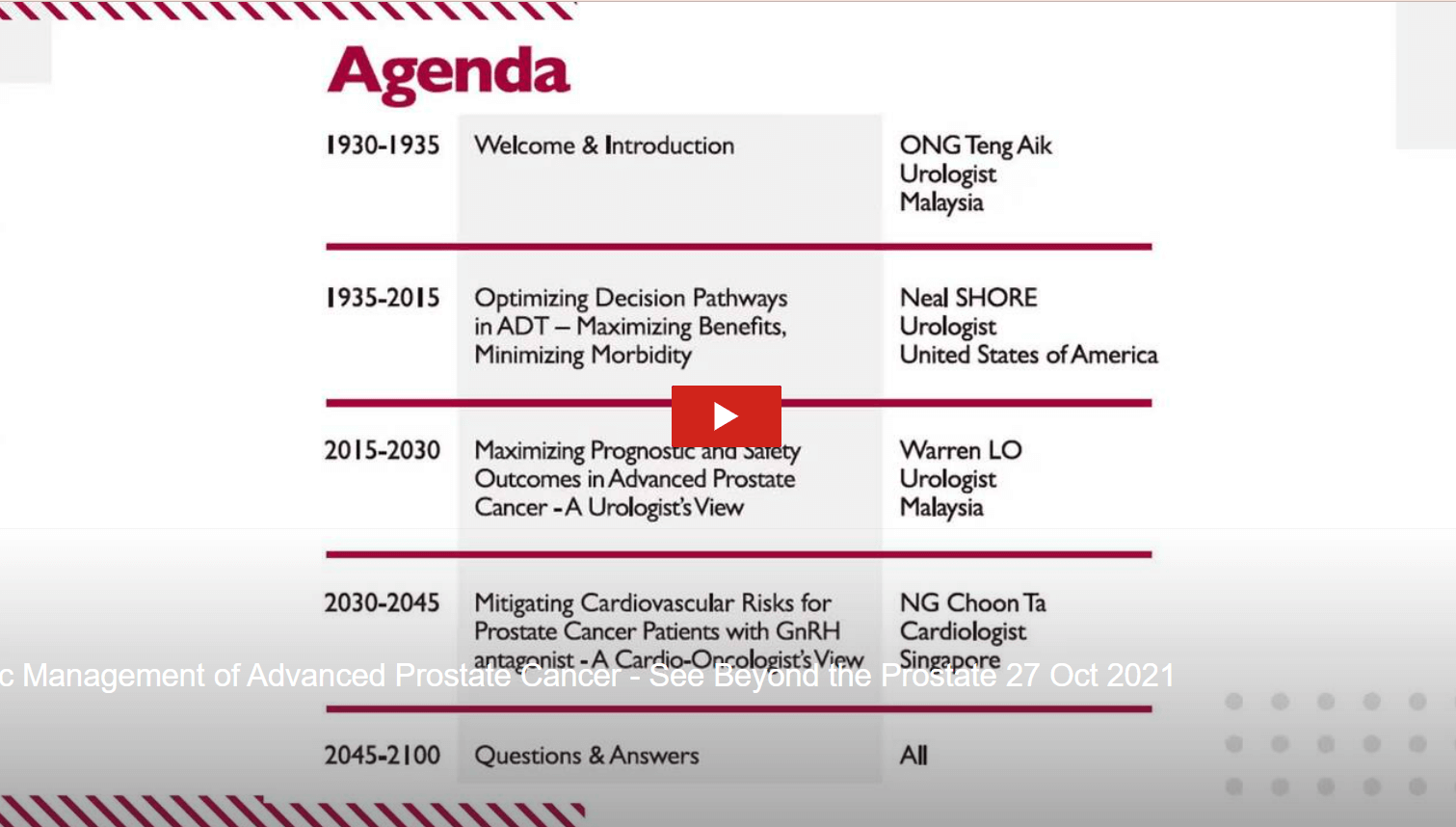
Oct-2021 Holistic Management of Advanced PCa – See Beyond the Prostate
Speakers: Professor Neal Shore (Carolina Urologic Research Centre, USA), Dr. Warren Lo (Hospital Kuala Lumpur, Malaysia), Dr. NG Choon Ta (National Heart Centre, Singapore)
Moderated by Prof. Ong Teng Aik from Malaysia, this webinar invited 3 faculty speakers to share how to optimize androgen deprivation therapy for advanced prostate cancer patients. In particular, patients in the PRONOUNCE study were intensively monitored with treatments optimized in tertiary centres with multidisciplinary care, a situation not always reflective of real-world settings. Several real-world analyses and RCT (HERO) have consistently highlighted higher incidence rates of MACE with GnRH agonists. There is a tighter T and FSH suppression with GnRH antagonist compared to agonist. Upfront combination therapy + ADT for mHSPC should be considered early to improve prognosis, esp. for patients with high risk features.
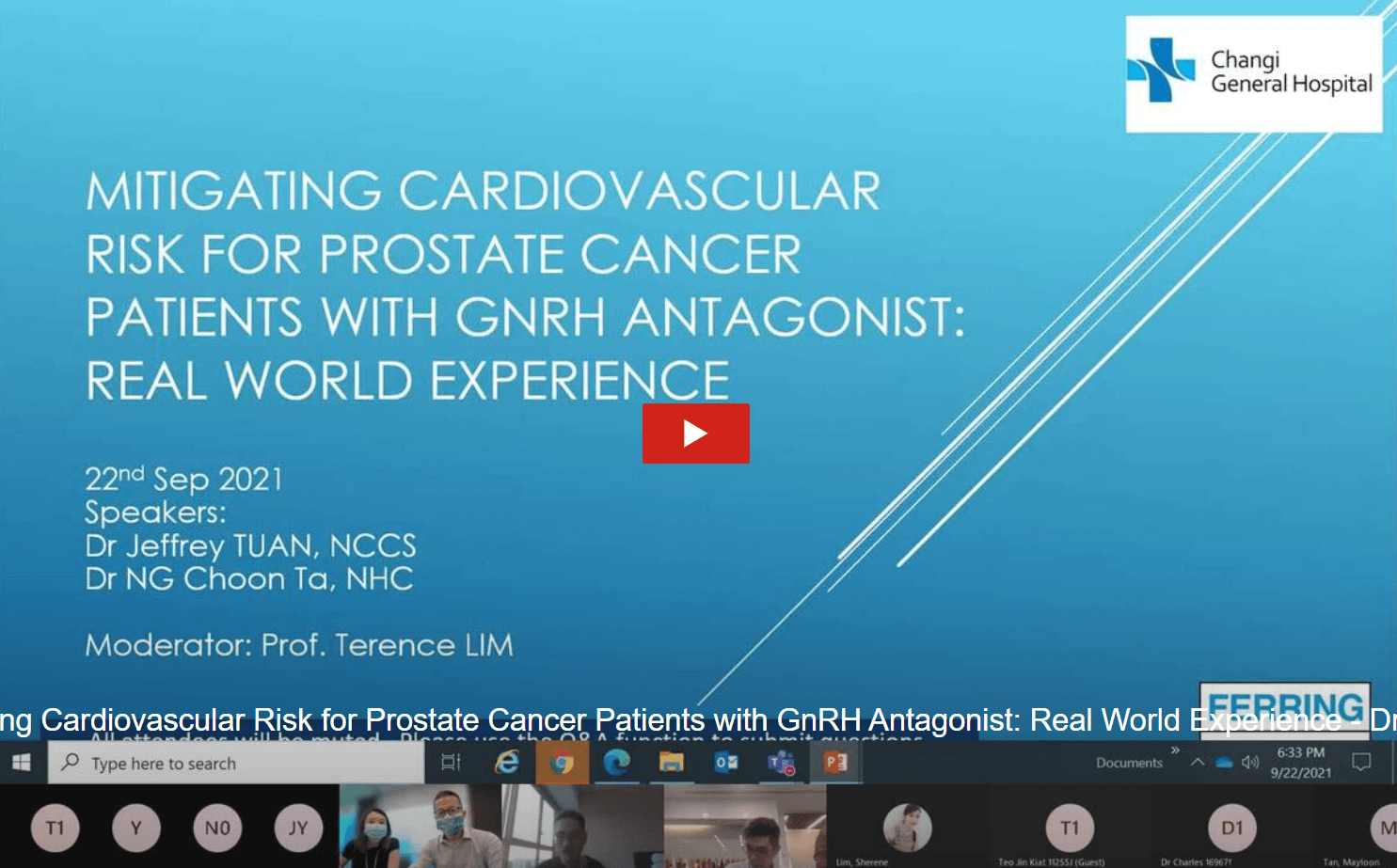
Sep-2021 Mitigating Cardiovascular Risk for Prostate Cancer Patients with GnRH Antagonist: Real World Experience
Speakers: Assistant Prof. Jeffrey TUAN, Radiation Oncologist, National Cancer Centre Singapore, Dr. NG Choon Ta, Cardio-oncologist, National Heart Centre, Singapore
In this CME talk at Changi General Hospital, speakers share with audience members the real-world cases and research findings in treating prostate cancer patients on androgen deprivation therapy.

Aug-2021 Recommendations to Mitigate CV Risk in Prostate Cancer
Speakers: Prof. Ricardo Rendon (Dalhousie University, Canada)
Cancer treatments have allowed patients to become survivors in the first place. However, cardiovascular cancer survivorship issues begin at the time of diagnosis, not years after completion of treatment. In his talk, Prof. Ricardo Rendon, the lead author of the recently published Canadian Urological Association guideline, will be focusing on ADT adverse events and management strategies, in which cardiometabolic health is extensively discussed.
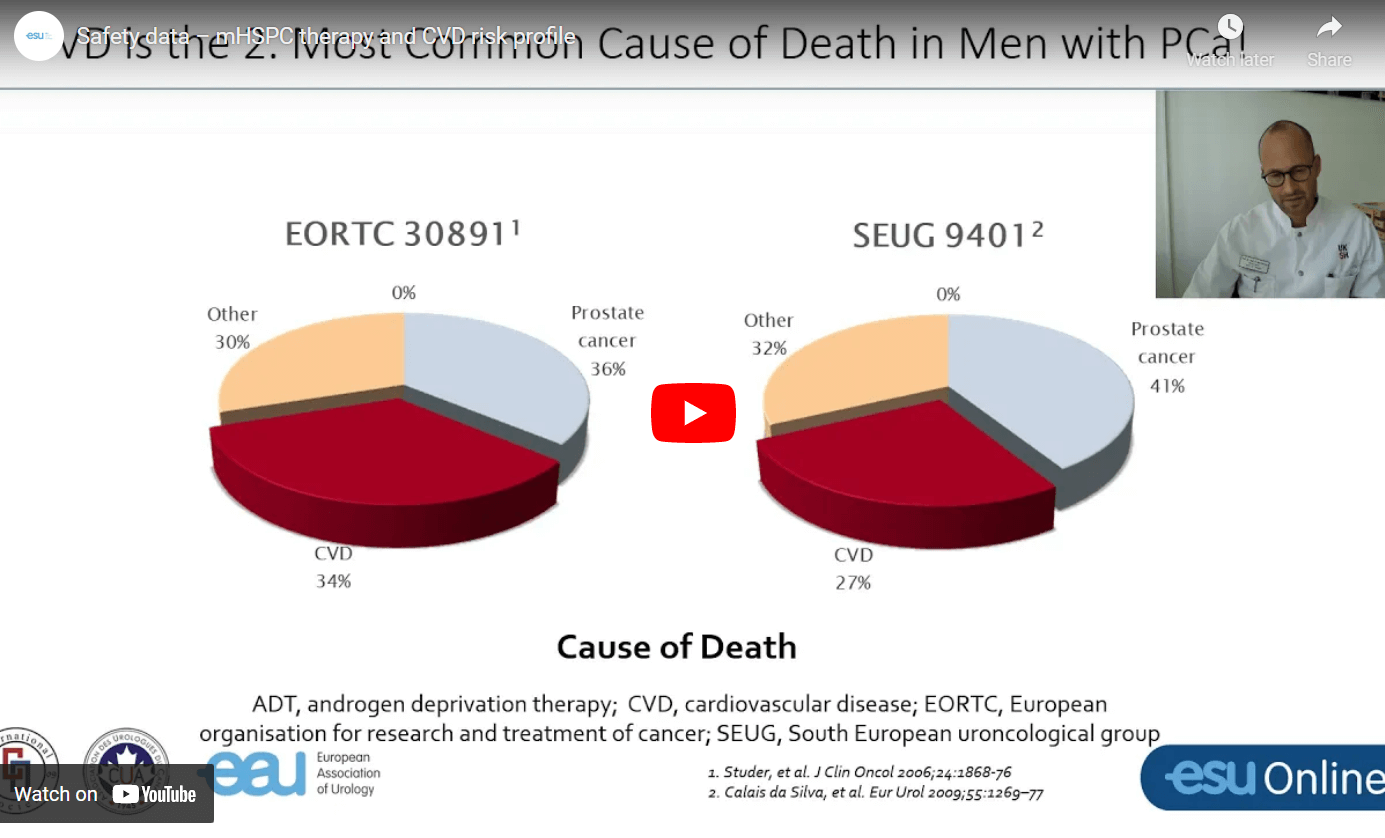
Aug-2021 Safety data – mHSPC therapy and CVD risk profile
Speakers: Prof. Axel Merseburger (Lubeck, Germany)
Prof. Merseburger uses data from animal models and basic research to illustrate the effect of ADT in cardiovascular risk, as well as other treatment modalities (chemotherapy, surgery, ADT alone or in combination). In addition, new treatment modalities and CVD toxicity are also highlighted in his talk.
Aug-2021 Cardiovascular Side Effects of Androgen Deprivation used to Treat Prostate Cancer
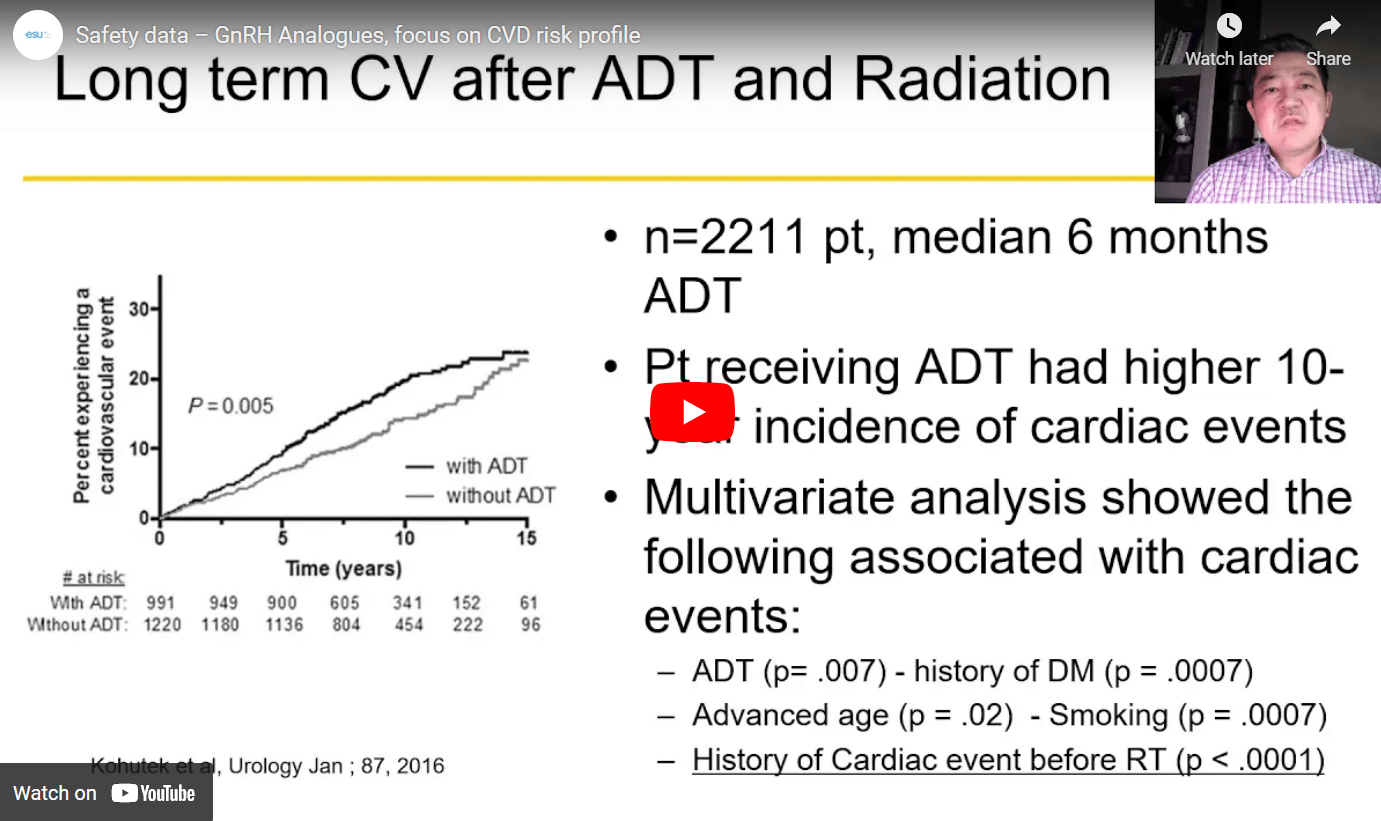
Speakers: Prof. Alan So (Chair, Canadian Uro-oncology Group; University of British Columbia, Canada)
Prof. So will assess the relationship between androgen deprivation (ADT) and cardiovascular disease (CVD), illustrates effects of short-term ADT with radiation therapy on CVD. In addition, he will evaluate the effects of newer androgen-axis targeted therapies used to treat mCRPC on CVD. He then will assess data comparing GnRH agonists and antagonists on CVD.
Jul-2021 Recent Trends of Androgen Depletion Therapy on Prostate Cancer in Asia
Speakers: Prof. NG Chi Fai, Anthony (The Chinese University of Hong Kong, Hong Kong), Prof. Hiroji Uemura (Yokohama City University Medical Center, Japan)
Androgen deprivation therapy (ADT), alone or in combination, remains the mainstay of first-line treatment for locally advanced and early-stage metastatic prostate cancer. Emerging data seems to present different clinical profile of different modalities of ADT including Gonadotropin-releasing hormone (GnRH) antagonist and agonist. This webinar brings together medical experts from Asia to share and discuss current evidence of GnRH antagonist in prostate cancer management, in clinical studies and real-world setting for Asian patients.
19-Jun-2021 Contemporary ADT in elderly patients with advanced prostate cancer
Speakers: Dr. Tan Teck Wei (Tan Tock Seng Hospital, Singapore); Prof. Ravidran Kanesvaran (National Cancer Centre Singapore); Prof. Melvin Chua (National Cancer Centre Singapore
In this Ferring sponsored session, distinguished panelists will share their rich clinical experiences on ADT for elderly prostate cancer patients, walk the audience through Geriatric Oncology principles/consensus (from SIOU), ADT (agonist vs. antagonist, patient benefits), toxicity profiling, and paint out a list of issues of ADT in elderly PCa vis-à-vis risk profiles, and move to ADT/combinatorial therapy (with C/T, novel AA) for which subgroups of patients, esp. metastatic PCa (HSPC, CRPC), followed by challenges in managing these cases. An interactive live Q and A session will ensue.
May-2021 Bedwetting Educational Series 2021
Why should enuresis be diagnosed and treated? (Michal Maternik) ´video link´
48h F/V chart and bladder diary are easy and useful tools (Michal Maternik) ´video link ´
Treatment of enuresis (Michal Maternik) ´video link´
Diagnostic evaluation of bedwetting (Christian Radmayr) ´video link´
Established treatment options for bedwetting (Christian Radmayr) ´video link´
Speakers:
Dr. Michal Maternik, Department of Pediatrics, Nephrology and Hypertension, Medical University Gdansk, Poland
Prof. Christian Radmayr, Pediatric Urology, Department of Urology, Medical University Innsbruck, Austria
This series of educational videos is to provide updated knowledge on nocturnal enuresis illustrated by international experts, as part of World Bedwetting Day awareness.

27-May-2021 PNE 2021: From Guidelines to Practice
Speakers: Professor Soren Rittig, Chair Professor in Paediatrics, Aarhus University, Denmark; Prof Stephen Yang (Taiwan); Prof Te-Lu Yap (Singapore)
Endorsed by the Singapore Paediatric Society and Taiwan Urological Association, Prof. Soren Rittig shared his insight on managing nocturnal enuresis and most updated literature of genetics in enuresis in Denmark. Also, two prominent enuresis specialists Prof Stephen Yang from Taiwan and Prof Te-Lu Yap from Singapore shared clinical local cases.
8-April-2021: How to manage CVD risk in PCa patients during COVID-19
Speakers: Prof. Arjun Ghosh (UK), Prof. Mark Linch (UK), Prof. Dr. Maria Ribal (Spain), Dr. Ricardo Rendon (Canada)
Four talks on 1) Impact of COVID-19 on cardio-oncology, by Prof. Arjun Ghosh (UK), 2) Hormonal treatment of urological cancers during COVID-19, by Prof. Mark Linch (UK), 3) COVID-19 Recommendations for Prostate Cancer treatment by the EAU Guidelines, by Prof. Dr. Maria Ribal (Spain), and 4) How to manage prostate cancer in a pandemic, by Dr. Ricardo Rendon (Canada)


11-Feb-2021:CVD in prostate cancer patients –
Increased risks & comorbidities, by Prof. Phil Cornford (UK) and Prof. Darryl Leong (Canada) who address the unmet needs in personalised management of Prostate Cancer patients with history and risk of CVD events. The programme is initiated by The Canadian Urological Association, the International Cardio-Oncology Society together with the European Association of Urology.
Interim Treatment Change Options for GU Malignancies During the COVID-19 Pandemic –
Endorsed by NHS England- Nicholas James, who gives insight into the COVID-19 pandemic and how it is affecting cancer care in London, England, as well as the Institute of Cancer Research (ICR) guidelines that Nick James and his group have put forth to really improve or, at least, standardize the care for patients with cancer during this time. By calling for modified treatment plans, Nicholas James highlights the goal was to allow for greater flexibility in the management of cancer during the COVID-19 pandemic to ensure clinicians have additional treatment options through this time.
The Impact of COVID-19 on The Delivery of GU Cancer Treatment –
Neeraj Agarwal discusses the COVID-19 pandemic and its impacts on his practice in Salt Lake City, Utah. Dr. Agarwal shares the role telemedicine is taking in his facility and how COVID-19 has provided the healthcare field the opportunity to make tremendous progress in telehealth.
The Impact of Treatment Delays on Prostate Cancer During the COVID-19 Pandemic –
Zach Klaassen & Chris Wallis who discuss the management guidance released by European Urology on how to best optimize the care of prostate cancer patients during the COVID-19 pandemic. In this Journal Club, Dr. Klaassen and Dr. Wallis assess the impact of delaying treatment in patients with prostate cancer and discuss the potential consequences.

The COVID-19 Pandemic and the Impact on GU Cancer Care –
Charles J. Ryan who provides a perspective on treating cancer patients in the current environment with the COVID-19 pandemic, and discusses impacts of COVID-19 on starting and continuing active cancer treatment regimes, staffing challenges, changes in clinic operations, and the importance of maintaining communications and counseling patients through their day as COVID-19 becomes more prevalent.
24-Mar-2020: COVID-19 and Global Urologic Surgery Disruptions –
Bertrand Tombal and Neal Shore who share the urologist’s perspective on the impact of the crisis on their patients and their capacity to give care. Dr. Tombal calls in from Belgium; where he speaks to the effect of total confinement in the country and how GU-oncology and urology surgeries have been reconfigured as hospitals are forced to adjust to an influx of COVID positive patients. Dr. Tombal also addresses delays for surgeries, and when exceptions to this rule must be made when patient survival is dependent on the surgical procedure. Dr. Shore describes the situation in South Carolina and the work being done to flatten the curve leveraging telemedicine. He also addresses the lack of personal protective equipment available, and how elective appointments in outpatient and inpatient settings are being delayed for as long as possible. Both Dr. Shore and Dr. Tombal consider the long term impact of this uncertain time on all levels of cancer and urologic care.
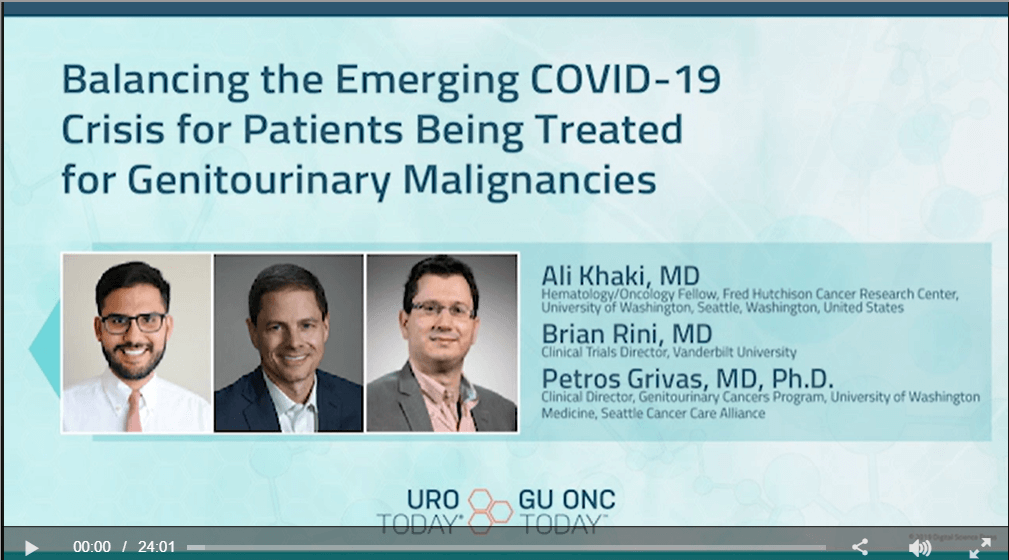
18-Mar-2020: Considerations of GU Cancer Patients
Treatments in the New Reality of COVID-19 that speakers discuss the current status of the COVID-19 global pandemic and its impacts on the current ongoing care for patients receiving treatment for cancer and for patients currently on clinical trials. It is clear that there is no data on oncologic outcomes as the virus is rapidly spreading. Drs. Rini, Khaki, and Grivas discuss aspects of treatment selection and treatment decision-making for each patient.
13-May-2020: Genitourinary Cancer Management
During COVID-19 Pandemic Dana-Farber/Brigham and Women’s Cancer Center Proposed Clinical Guidelines by Toni Choueiri (download the guidelines here)